


Ultimate Zagreb Travel Guide: Culture, Food & Sights
Ultimate Zagreb Travel Guide: Culture, Food & Sights
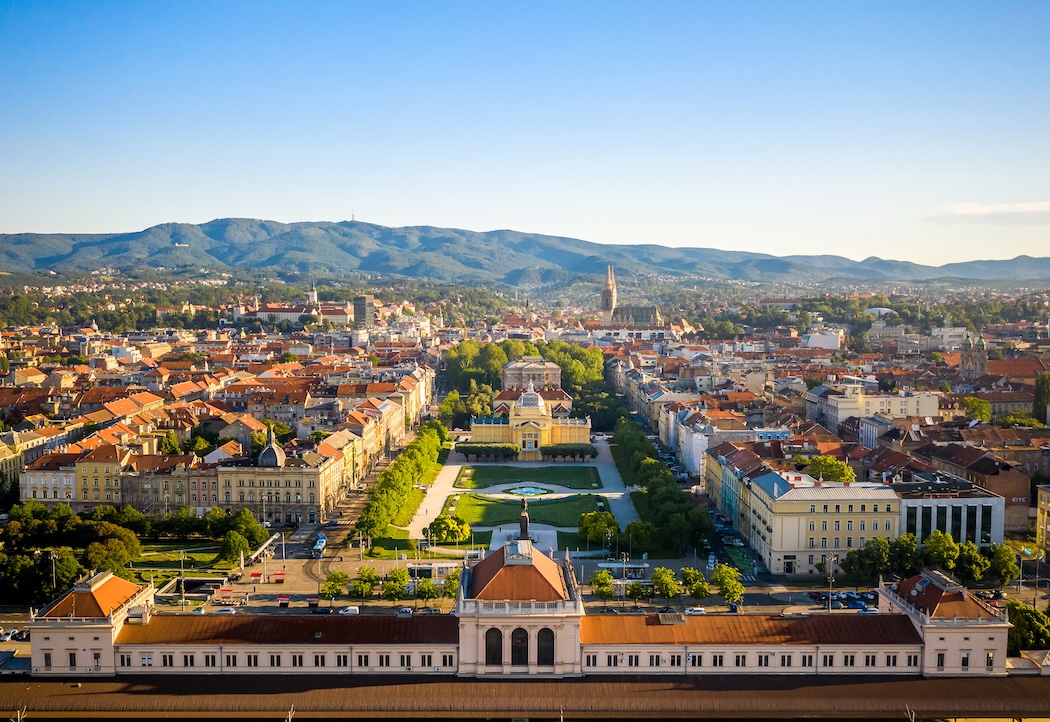
Zagreb: Insider’s Guide to Croatia’s Underrated Capital
The insider advice on this page comes from our Trusted Travel Expert for inland tours to Croatia. With years of on-the-ground experience in Zagreb and frequent returns to fine-tune itineraries, they excel at crafting meaningful city breaks that connect travelers with the real heart of the country—far from the coastal cruise-ship crowds. Expect trips orchestrated with this level of expertise to start at around $800–$1,200 per day for two travelers (including a top boutique hotel and private guiding), depending on season and customization.
Where to Stay and EatBest-value splurge hotels
Hotel Le Premier offers elegant, light-filled rooms in a beautifully restored historic building right in the Lower Town, with impeccable service that feels personal rather than corporate. Target a junior suite for extra space and a quiet courtyard view—perfect after a full day of exploring. Boutique Hotel HOH is a stylish, intimate hideaway with rooms named after Croatian writers. Its rooftop terrace delivers some of the best sunset views over the city rooftops, and the staff genuinely love sharing local tips. It strikes that rare balance between design-forward and genuinely welcoming.
Restaurants the locals love
Pod Zidom Bistro, tucked just below the Dolac Market, turns market-fresh ingredients into refined yet comforting Croatian dishes. The seasonal menu changes daily—think modern takes on classics with flawless execution and a lovely terrace. Gostionica Ficlek feels like eating at a Croatian grandmother’s table. Locals come for hearty, traditional fare like turkey with mlinci or sarma (cabbage rolls). The portions are generous, the atmosphere unpretentious, and the flavors deeply authentic. Dishes to try
Don’t leave without ordering štrukli—Zagreb’s signature cheese-filled pastry, best enjoyed baked and savory at La Štruk in a pretty garden courtyard. For something more substantial, try Zagrebački odrezak (a stuffed, breaded veal cutlet) or slow-cooked pašticada. Zagreb’s craft beer scene is thriving—pair your meal with a local IPA from one of the city’s excellent microbreweries. And save room for a slice of ** kremšnita** or the city’s excellent strudels at a traditional café.
What to See and DoMost underrated place
The entire Upper Town (Gornji Grad). While many visitors rush through St. Mark’s Church and the funicular, spending unhurried time wandering its quiet streets, courtyards, and hidden viewpoints reveals the soul of old Zagreb.
Most overrated place
Treating Zagreb as merely a transit point or quick overnight before heading to the coast. This city deserves at least 2–3 full days to appreciate its layered history, café culture, and relaxed vibe.Hidden gem
Mirogoj Cemetery—one of Europe’s most beautiful final resting places, with its arcades, domes, and peaceful gardens designed by the same architect who shaped much of Zagreb. It’s a serene, contemplative spot that feels worlds away from the city center.
Don’t miss
A private guided walk through the Dolac Market early in the morning with a local. You’ll meet producers, taste seasonal specialties, and understand why Zagreb’s food scene is so grounded in fresh, local produce. Another highlight: Ride the short but charming funicular up to the Lotrščak Tower for the daily noon cannon shot—a quirky tradition that has been marking midday for over a century.
Cheap thrill
Spending an afternoon people-watching and café-hopping along Tkalčićeva Street. Grab a coffee or glass of Croatian wine at one of the many terraces and soak in the effortless local rhythm.How to spend a lazy Sunday
Start with a long breakfast at a neighborhood café, stroll the Green Horseshoe parks, visit the Museum of Broken Relationships (surprisingly moving and often humorous), then end with a leisurely lunch followed by a relaxed walk around Jarun Lake or Maksimir Park.
Best Times to Go
Late April through June and September through early October offer pleasant temperatures, fewer crowds, and all the outdoor café life without summer heat. December brings one of Europe’s best Christmas markets—magical and surprisingly festive.
Worst Times to Go
Mid-July to late August can be hot and humid in the city, and many locals head to the coast, so some smaller spots may have shorter hours. Deep winter (January–February) is cold and gray, though still charming if you enjoy cozy indoor experiences.
Biggest Rookie Mistake
Assuming Zagreb is “just another Eastern European capital” and rushing through it in one day. Slow down—the city’s greatest pleasures are in its everyday rhythms, not ticking off landmarks.
Don’t Bother
Trying to see everything on foot without using the excellent tram network or funicular. The hills and distances add up quickly.
Can’t-Miss Photo Op
The colorful rooftops and tiled facade of St. Mark’s Church from a slightly elevated viewpoint in the Upper Town, especially in soft morning light.
Must-Have Apps ZET for real-time tram and public transport info
Bolt (works better than Uber here for reliable, affordable rides)
Any translation app—though younger locals often speak excellent English
The Souvenirs
A bottle of Croatian olive oil or wine from the market, handmade lace or jewelry from local artisans in the Upper Town, or a quirky memento from the Museum of Broken Relationships shop.Don’t Forget to Pack
Comfortable walking shoes (the cobblestones are unforgiving), a light jacket or sweater for cooler evenings, and an empty reusable bag for market finds.

Comments are closed